In May 2025, colleagues from across the Eastern Arc partnership came together at Wivenhoe House, University of Essex, to launch T‑PIKE, a programme designed to strengthen the role of technical professionals in research, innovation and Knowledge Exchange. One year on, T‑PIKE has evolved from a shared ambition into a growing programme of activity, delivering training, funding opportunities and hands‑on projects that are already making a difference across the partner institutions.
At its core, T‑PIKE seeks to empower technical professionals to develop skills, lead activity and play a more visible and strategic role in addressing real‑world challenges. Over the past year, this has been reflected in progress across four interlinked areas: training and mentoring; engagement and experience; recruitment and leadership; and empowerment and advocacy.
Investing in skills and professional development
A major focus of the first year has been building capability through targeted training and networking opportunities, aligned to the EPSRC priority themes of AI and data, and engineering net zero. Across the Eastern Arc consortium, closed‑cohort courses, webinars and local training have supported technical professionals to develop both technical and transferable skills.
Highlights include multiple accredited courses on AI, sustainable laboratories and green practices, leadership development programmes, and practical workshops on Knowledge Exchange. Follow‑on impact is already visible, with technicians at Kent enrolling in AI apprenticeships after earlier T‑PIKE training. At the University of Essex, a three‑day Data Science and AI course provided in‑depth training for 15 technical staff.
To ensure training is genuinely inclusive, partners have also invested in neurodiversity training, coaching, and mentoring opportunities, alongside work to improve how training opportunities are communicated and tailored specifically for technical roles.
Enabling technician‑led projects and Knowledge Exchange
T‑PIKE has also focused on creating practical opportunities for technical professionals to apply their skills beyond day‑to‑day roles. All partner universities have made dedicated funding available directly to technicians, supporting training, travel, visits to industry partners, and technician‑led projects linked to sustainability, AI and Knowledge Exchange. For example, a Technical Professional from the University of East Anglia is refining their thin section method following attendance of an industry symposium.
Across the partnership, this has included:
- Technician‑led projects supporting digitisation, sustainability and commercialisation
- Visits between universities and to industrial laboratories and manufacturing sites
- Funding to attend sector‑relevant conferences and innovation programmes
- Projects enabling in‑house servicing and calibration, reducing costs and improving resilience
- The development of new collaborations with cultural, environmental and industrial partners
To date, over £100,000 has been spent or committed across the partner universities, demonstrating strong institutional buy‑in and an appetite for technician‑led innovation.
Supporting sustainable technical careers
Recognising the importance of long‑term sustainability, T‑PIKE has begun piloting new approaches to recruitment, backfill and early‑career pathways. While financial pressures across the sector have presented challenges, progress has been made through the introduction of Student Technical Volunteers and Technical Development Assistants, providing short‑term support that frees up specialist technicians to lead higher‑value activity.
These pilots are also creating opportunities for students and early‑career staff to gain hands‑on experience in technical environments, while supporting existing technicians to develop leadership and management skills.
Strengthening voice, visibility and advocacy
An important strand of T‑PIKE’s work has been enabling technical professionals to take on more visible leadership and advocacy roles. Across the partnership, technicians are contributing to local advisory groups, championing T‑PIKE activity within their institutions, and engaging externally through outreach activities, conferences and sector networks.
Technical leaders within the programme are also helping to shape wider conversations about the role of technical professionals in innovation and Knowledge Exchange, ensuring that this expertise is recognised, supported and embedded in institutional strategies.
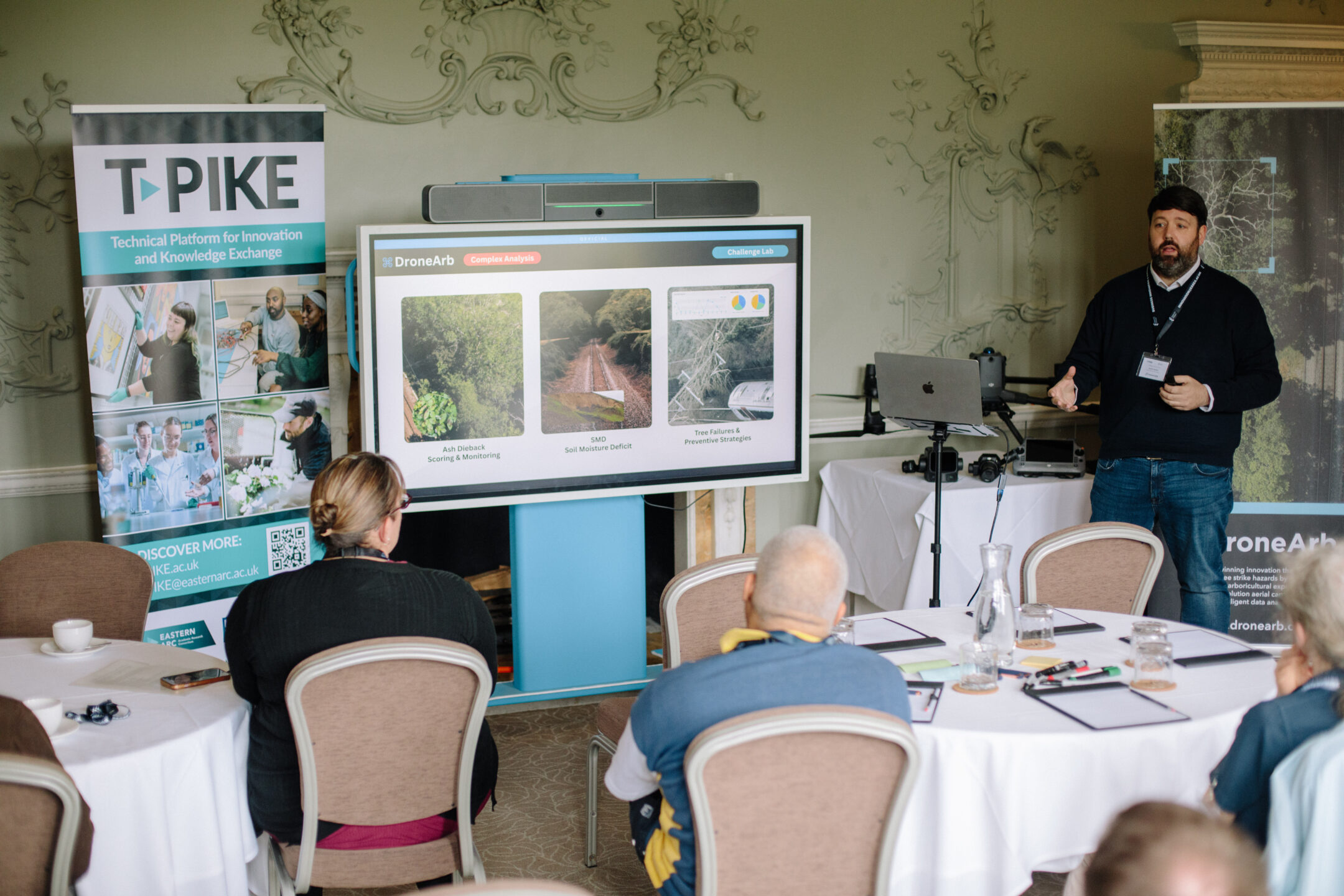
As T‑PIKE moves into its next phase, attention is turning towards deeper collaboration and experimentation. A key milestone was the T‑PIKE Challenge Lab, that took place on 14 and 15 May, hosted at the University of Essex in collaboration with Railscape.
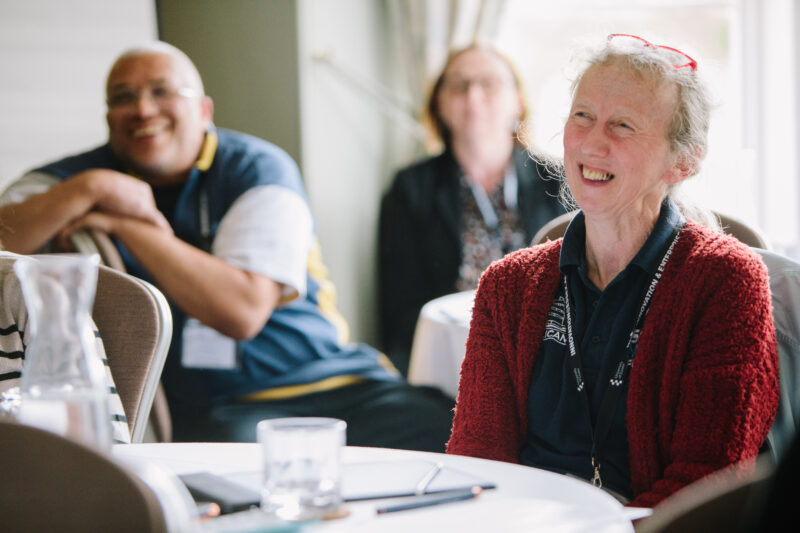
The Challenge Lab brought together technical professionals, academics and industry colleagues to work intensively on a real‑world problem. Over the two days, teams developed and pitched solutions, with one selected to be taken forward for £20,000 investment to develop into a fully funded Knowledge Exchange project. It reflects T‑PIKE’s commitment to learning‑by‑doing and to creating spaces where new ideas and partnerships can emerge.
T‑PIKE’s first year has laid strong foundations: building skills, enabling technician‑led activity, and strengthening networks across institutions and sectors. As the programme continues, these foundations will support more ambitious collaboration, deeper engagement with industry, and a more visible and sustainable role for technical professionals in research and innovation.